

We have all felt the weight of a single decision at work. The moments when a choice sets off a ripple through a team, a project, or an entire organization. These moments are shaped not only by experience or data but by what happens in our minds—often without us realizing it. Here, we look at what neuroscience tells us about conscious decision-making at work, drawing on established research and reflecting on what it means for real business life.
The brain’s decision-making engine
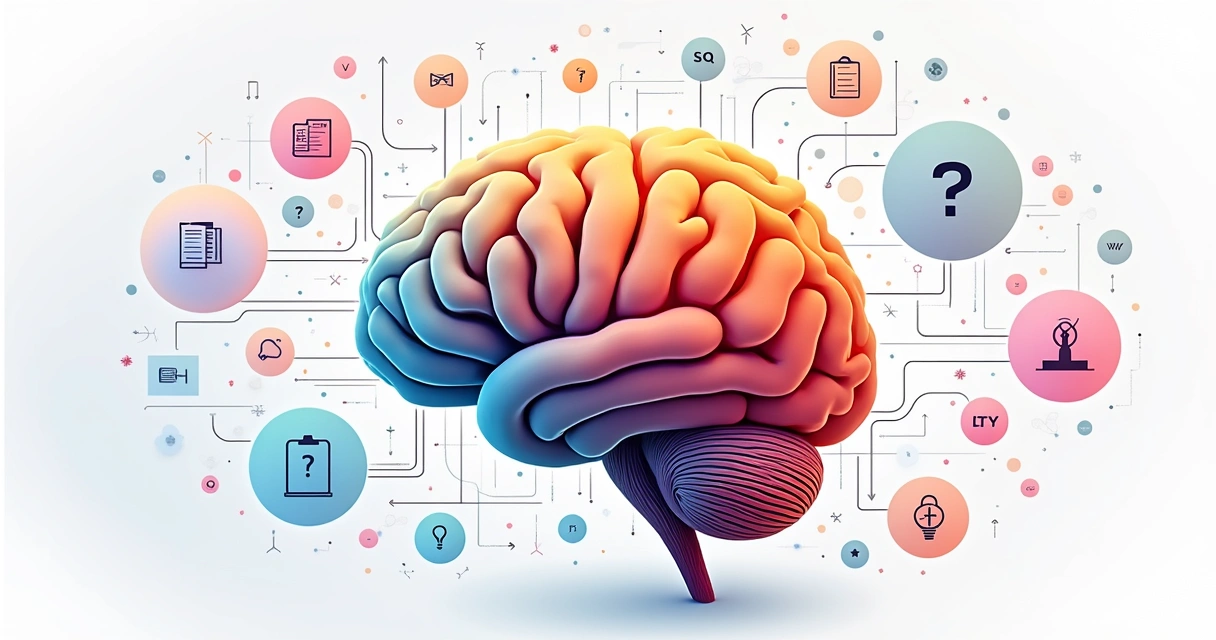
Every decision, from the smallest email response to the largest strategic move, is powered by networks in the brain. Cognitive neuroscience shows that several regions work together, including the prefrontal cortex, which guides reasoning and planning, and deeper, older structures like the amygdala, which flags emotional salience.
Our brains have developed to filter countless bits of information, pushing only what matters most into conscious awareness. The rest is managed behind the scenes, forming the famous “gut feeling” or intuition. Sometimes, the brain decides before we do.
Recent research shows that there are signals of motor preparation and intention in the brain even before we consciously decide to take action. This means, at work, the choice to speak up or remain silent in a meeting might begin long before it feels like a choice at all.
Conscious and unconscious processing in workplace choices
We sometimes imagine decision-making as a clean process: define the problem, list options, weigh consequences, and choose. Reality is rarely so tidy. When we make decisions at work—especially under pressure—conscious thought and unconscious processes both play their part.
Blockquotes can offer a moment of pause:
Sometimes our best decisions arrive before we “think.”
Studies from Carnegie Mellon University show that even when the conscious mind is distracted, brain regions involved in decision-making remain active. This background activity can lead to improved decision outcomes, especially in complex situations. While it feels strange to trust the mind when we're not fully focused, evidence suggests it often pays to do so.
One peer-reviewed study found that unconscious thought can sometimes produce better multi-attribute decisions than conscious analysis. This is relevant for decisions around hiring, team assignments, or balancing competing goals—a familiar challenge to many leaders and professionals.

Neural networks and decision quality
It is easy to assume that being smart is the same as making good decisions. However, neuroscience suggests another layer—what some scientists call “decision acuity.” This describes the brain’s capacity to sift through different factors, weigh short and long-term rewards, and adjust to changing contexts.
Decision acuity is distinct from traditional intelligence and is supported by its own set of neural circuits. According to research published in Neuron, the strength of these neural networks shapes how well a person can make choices in real-world settings. This means that two people with similar IQs may still show very different levels of skill when making work decisions—depending on the health and development of their decision-related brain networks.
The journey from non-conscious to conscious
Many of us have experienced it: A solution pops into our head, seemingly from nowhere. Neuroscience supports this feeling. According to a Frontiers in Psychology article, many building blocks of decisions develop outside of conscious attention. The brain filters and prioritizes, working quietly until a choice or insight enters our awareness.
This process is not passive. It responds to what we value, our experiences, and even our mood. Reflection and mindfulness can speed up the transition, bringing what matters into the spotlight of our conscious mind.
Emotions, presence, and work decisions
Work is emotional. Neuroscience confirms this: The limbic system, responsible for processing emotion, is closely coupled with decision areas. When we face uncertainty or high stakes, emotional signals become louder. Sometimes, they sharpen our choices. Other times, they can hijack our attention, pulling us off track.
Conscious decision-making is not the absence of emotion, but the ability to notice and name what we feel and to make room for it without letting it flood the process. This skill—emotional self-regulation—makes a difference in meetings, negotiations, and team conversations.
Studies have shown that present-focused leaders who can regulate their emotions foster more positive cultures and healthier work environments. The presence to notice patterns, catch impulses, and realign with values matters just as much as technical expertise.
Practical implications for work life
In our experience, integrating what neuroscience reveals into daily work life goes beyond theory. Here is what it means for real scenarios:
- Allow pause and reflection: Decisions become clearer when we step back, even briefly. This enables non-conscious processing, leading to insights.
- Encourage sleep and breaks: Brains process information even when we seem “off.” Good rest leads to better workplace choices—science supports it.
- Foster emotional awareness: Naming and understanding emotions lets us keep decisions aligned with values and longer-term outcomes.
- Value diversity of input: Different lived experiences feed different neural patterns, enriching the decision process when included and respected.
- Strengthen presence: Simple practices like mindful breathing, listening and slowing impulsive responses help activate neural pathways tied to better outcomes.
This isn’t about perfection. It’s about creating room for our brains to do what they do best: find creative, coherent answers to complex workplace questions.
Conclusion
We see conscious decision-making at work through a fresh lens when we consider what neuroscience has shown. Choices are not cold calculations; they are dynamic, living processes that blend conscious analysis with deep, often hidden, neural work. From flashes of intuition to careful weighing of facts, the quality of the outcome depends on how we engage our minds as well as our presence and emotional balance.
Experience tells us—and research confirms—that the wisest leaders and professionals know when to trust their instincts, when to pause, and when to lean into conscious reflection. Decision-making is not a solo effort by the rational mind; it is a whole-brain, whole-person process.
Work decisions are as much about who we are as what we know.
Frequently asked questions
What is conscious decision-making at work?
Conscious decision-making at work means being actively aware of the choices we face, recognizing the factors influencing those choices, and making selections that align with values, goals, and context. It goes beyond automatic reactions and involves reflection, openness to emotion, and clarity about intended outcomes.
How does neuroscience explain work decisions?
Neuroscience shows that workplace decisions result from complex brain activity involving both conscious thought and unconscious processing. Research indicates that non-conscious brain regions filter, evaluate, and even initiate choices before we become aware of them, while conscious brain areas allow us to weigh options, consider long-term impacts, and connect decisions to broader purposes, as discussed in studies from Carnegie Mellon University and others.
Why is conscious choice important at work?
Conscious choice at work leads to more consistent, ethical, and effective outcomes. When we make decisions with awareness, we reduce impulsive errors, foster trust, and create environments where people can safely contribute their ideas and perspectives. This supports healthier organizations and cultures.
Can neuroscience improve decision-making skills?
Yes, applying neuroscience insights helps us recognize when to slow down, reflect, and trust both analytical and intuitive processes. Practices like mindfulness, emotional awareness, and seeking input tap into brain networks associated with “decision acuity,” which research shows is linked to higher-quality decision outcomes.
How do emotions affect workplace decisions?
Emotions influence workplace decisions by signaling importance and urgency to the decision-making areas of the brain. While strong emotions can sometimes distort choices, the ability to recognize and regulate feelings leads to wiser, value-aligned decisions in professional settings. Being present with emotions rather than ignoring or suppressing them is key.