

Handling tough conversations well is a challenge we all face. Tension can rise, misunderstandings may happen, and emotions run high. In our experience, these moments do not just test communication skills—they also reveal our values and deeper levels of presence. Practicing human valuation in these situations means more than staying polite. It is about seeing and respecting the full person in front of us, even during disagreement or stress. Our choices in these moments have a long-lasting impact, shaping relationships, trust, and the sense of safety people feel with us.
The foundation of human valuation in conversations
When we speak about human valuation, we refer to recognizing the worth, dignity, and unique experience of every person involved. This approach does not depend on agreement or approval. Instead, it honors the reality that, even in conflict, each person holds inherent value.
In a heated exchange, it is easy to let frustration dominate. Some of us might fall into habits—interrupting, raising our voices, or mentally preparing our “comeback” rather than actually listening. But it is often in difficult moments that genuine respect has the most power to build trust and connection. We have noticed again and again: people remember not just what was said, but how they felt in your presence.
Say the hard thing, but say it with full attention.
Preparing ourselves before the conversation
Every tough conversation is shaped by the mindset we bring into it. Even before we enter the room—or open the call—we can do a lot to set the tone for human valuation. Here’s how we suggest preparing:
- Clarify our intention. Are we seeking understanding, finding a way forward, or just venting? If our goal is to connect or solve, our listening improves.
- Ground ourselves. Take a few conscious breaths. Release physical tension. We find that even a brief pause changes the energy we bring in.
- Reflect on our triggers. What patterns in conflict make us defensive or reactive? Recognition is the first step to changing an old script.
One story stands out for us: before an intense team meeting, a leader intentionally paused for a minute to breathe deeply and focus on his purpose. That small action shifted his ability to stay centered, even when the conversation became emotionally charged.
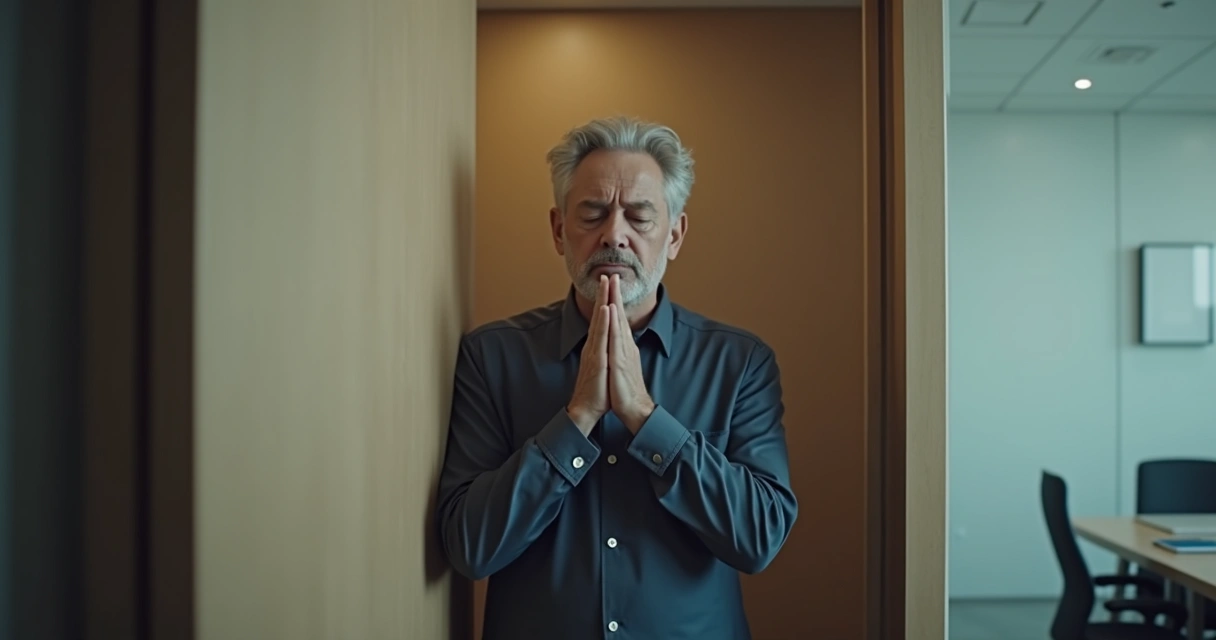
Practices for human valuation during a challenging talk
How to really listen
Listening is an action, not a passive state. To practice human valuation, we need to be fully present and attuned. Here’s what we recommend:
- Keep eye contact (when culturally appropriate), and turn your body toward the other person.
- Notice body language—yours and theirs; are arms tight, is the jaw clenched, is breathing shallow?
- Reflect back what you hear. Phrases like “So, you’re feeling…” or “It sounds like this is tough for you” can make people feel seen.
- Give pauses. Silence is uncomfortable, but it gives space for processing and honesty.
We have witnessed conversations change when one side simply stopped preparing their next point and devoted all their attention to the speaker. The energy softens. The other person often becomes less defensive and more open.
Respectful honesty
Practicing human valuation does not mean avoiding the truth. In our work, we see the value of honesty that does not break the spirit. The key is to separate judgment from feedback. We suggest sharing facts and feelings, not assumptions about intention or character.
Here is an example:
Instead of “You never finish tasks on time,” try “I noticed the last three projects missed deadlines, and I’m worried about how this affects the team’s progress.”
When we make the other person’s value clear—regardless of the issue—defensiveness drops and real problem-solving can start.
Regulating our own emotional state
It is impossible to control every emotional reaction, but we find that with awareness, we can slow down the impact of emotion before it becomes reactivity. To do this in a conversation:
- Feel your feet on the ground—this simple act returns attention to the present moment.
- Notice your breath; if it grows shallow, deepen it.
- Name your feeling, silently to yourself. “This is anger,” “This is fear,” etc. Labeling takes away their invisibility.
All these small, quiet actions protect the space from emotional flooding and remind us that whatever happens, we are responsible for how we act. Even in the middle of conflict, we can anchor ourselves in respect and dignity.
Upholding dignity beyond the disagreement
Sometimes, a conversation ends with disagreements unresolved or even new tensions. Still, we can uphold human valuation by:
- Thanking the person for their openness or willingness to talk, even when it is difficult.
- Summing up shared points and clarifying next steps without blame.
- Leaving the door open for further dialogue, making it clear the disagreement does not end your respect or care.
- Checking in later, especially when the conversation involved sensitive emotions or high stakes.

We have often heard people say that they remember most how they were treated at low points, not at easy ones. This memory can make or break a professional relationship—and sometimes even entire team cultures.
Common mistakes to avoid
Practicing human valuation is an ongoing process. In our work, we see a few mistakes happen most often:
- Trying to “win” instead of seeking understanding.
- Interrupting or talking over the other person.
- Bringing up old mistakes instead of focusing on the topic at hand.
- Withdrawing emotionally during the conversation by becoming silent and distant, instead of present and engaged.
These habits can be changed. Even one step toward greater human valuation—like a sincere effort to really listen, or an honest acknowledgment of difficulty—can transform the energy of a conversation.
What does it look like in practice?
Imagine two colleagues with a long-standing disagreement over project priorities. Tensions rise, each feeling unseen. But today, one comes in ready, having set the intention to honor both perspectives. They begin with acknowledgment of the other’s efforts, listen deeply, reflect back their understanding, and share honestly how the disagreement affects them personally and organizationally, without making it personal.
The difference is clear. The conversation takes more time, but both leave with increased respect and a better sense of possibility. That’s what human valuation looks like, even when issues do not resolve in one talk. In our view, those moments carry far-reaching effects for engagement, morale, and the quality of relationships—both inside and outside of work.
Conclusion
Choosing human valuation in difficult conversations is not about agreeing or smoothing things over. It is a disciplined way of being—clear, honest, and rooted in the belief that each person matters, even under pressure. When we adopt this approach, we help build cultures where trust grows, conflict becomes less risky, and people feel invited to bring their fullest selves, imperfections and all. That is leadership in action, one conversation at a time.
Frequently asked questions
What is human valuation in conversations?
Human valuation means recognizing and supporting each person’s dignity and value during dialogue, even in disagreement or conflict. This involves setting aside judgment, listening deeply, and being present with honesty and care. It is about seeing the whole person, not just their role or their mistake.
How can I stay calm when upset?
We suggest pausing to take slow, conscious breaths, paying attention to your physical state (like relaxing your shoulders), and silently naming your feelings. Briefly focusing on your senses—feeling your feet, noticing your breath—can help keep emotions from taking over.
What are tips for difficult conversations?
Start with clear intentions and approach the conversation with curiosity. Stay fully present, listen without interruption, and reflect back what you hear. Focus on specific behaviors or problems, not the person’s worth. If emotions rise, ask for a pause or some time to gather your thoughts.
How do I show respect while disagreeing?
Respect is shown by listening, not interrupting, acknowledging the other’s perspective, and expressing your views calmly and honestly. Avoid personal attacks and focus on finding areas of agreement, while making it clear that differing points don’t diminish your respect or care.
Is human valuation worth practicing every time?
We believe it is. Even small acts of respect and presence can shift the tone of a conversation, increase trust, and preserve relationships over time. Consistency in this practice helps create safer, more honest, and more meaningful interactions, even when solutions are not immediate.